

إِنَّ اللَّهَ يَأْمُرُكُمْ أَنْ تُؤَدُّوا الْأَمَانَاتِ إِلَىٰ أَهْلِهَا
“Verily, Allah commands you to make over the trusts to those entitled to them…”
یقیناً اللہ تمہیں حکم دیتا ہے کہ تم امانتیں ان کے حقداروں کے سپرد کیا کرو
As per the Lajna Constitution
General Secretary
42. The General Secretary shall carry out all correspondence with various branches of Lajna Imaillah in the country under the guidance of the Sadr.
43. The General Secretary shall be in charge of the Central Office.
44.
- a) It shall be the duty of the General Secretary to complete all the records according to the directions of the National Sadr
- b) The office records of Lajna Imaillah shall be safeguarded and passed on to the new elected Sadr after her appointment. Majlis Amila Mulk shall, after a period of one year, decide which official records should be kept and which discarded. Similarly, Majalis/Local and Sectors/Halqas, should seek permission of Majlis Amila Mulk for keeping or discarding records.
45. It shall be the duty of the General Secretary to keep a record of the proceedings of Majlis Amila Mulk and to inform the concerned members and the concerned branches about those decisions which concern them.
46. It shall be the duty of the General Secretary to supervise that the directives of the Sadr are being carried out and to issue necessary reminders in this respect.
47. The General Secretary shall report about her work to the Sadr Lajna every month.
48. The General Secretary shall try to activate the inactive Majalis.
49. In the Jama’ats where there are at least three (3) Lajna members but there is no Lajna Majlis established, the General Secretary shall take action as necessary to establish Majalis there.
Na’ib (Assistant General Secretary)
50. It shall be the duty of the Na’ib (Assistant) General Secretary to co-operate fully with the General Secretary and to perform all her duties during her absence.
51. In the absence of the General Secretary, the powers of the General Secretary will be assumed by the Naib General Secretary.

Department Responsibilities
The General Secretary department is the backbone of the administrative structure of Lajna Ima’illah at the local, regional and national level. The primary task of this department is to devise ways for the implementation of the instructions of Sadr Lajna. The General Secretary department must issue necessary reminders about these instructions and establish an efficient system of reporting so that all implementation efforts can be documented and progress can be gauged.


Annual Results 2024-2025
We are pleased to recognize the exceptional efforts of the following Majalis in the past year across all departments of Lajna Ima’illah
- 1st : Western Ontario – Windsor
- 1st: Toronto West – Abode of Peace
- 2nd: Calgary – North West
- 1st : Toronto West – Weston Islington
- 2nd: Halton Niagara – Hamilton
- 3rd: Halton Niagara – Milton West
- 3rd: Calgary – Airdrie
- 3rd: Central East Ontario – Durham East
- 1st : Northern Ontario – Bradford West
- 2nd: Prairie – Saskatoon South West
- 3rd: Alberta – Edmonton East + Fort McMurray
- 1st : Prairie – Regina
- 1st: Prairie – Winnipeg
- 1st: Brampton West – Caledon
- 2nd: British Columbia – Surrey Central
- 3rd: Toronto West – Emery Village
- 1st : Alberta – Lloydminster
- 2nd: Central West Ontario – Guelph

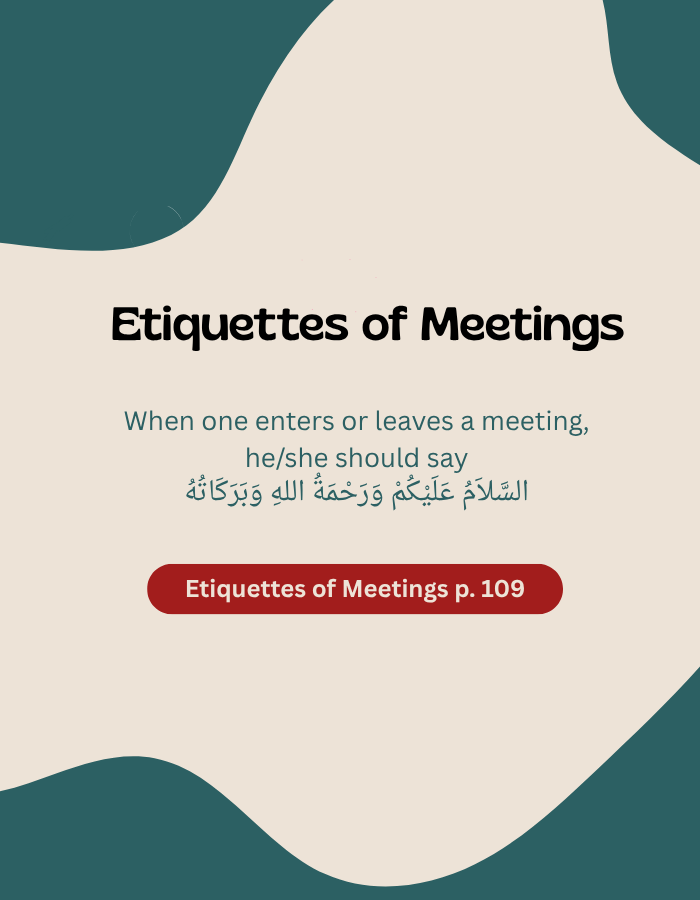
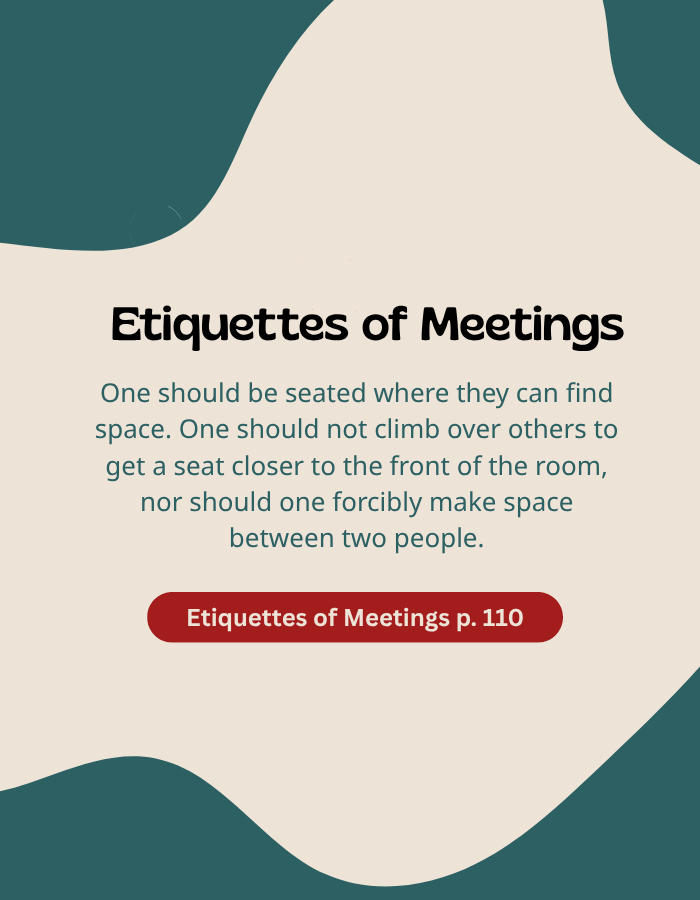
Majalis is the plural of Majlis. It means the place where one sits. [Grammatically], it is an adverb of place. Conducting meetings is an important foundation for a strong society. One of the benefits of conducting meetings is the collective progressive development of individuals in a society. Additionally, they look forward to helping each other in times of need by interacting with and encouraging each other. The secret of a happy society lies in the mutual and strong bonding of its members. To achieve this purpose, they should hold such meetings from time to time, and keeping in mind the etiquettes and decorum of meetings, develop their knowledge, faith, and spirituality. It is said that meetings where education and spirituality is discussed are like the gardens of Paradise. The Holy Prophet (sa) encouraged his companions to benefit from such meetings.